
BENJAMIN TURNER / OUR STORY
I FOUND IT
IN JAPAN.
I wanted a matcha I loved enough to share.
There had to be better.
Benjamin Turner Read our story
I KNEW THERE
WAS BETTER.
I kept ordering matcha I didn’t want to finish.
Too sugary. Too grassy. I was tired of fixing a drink I’d just paid for.
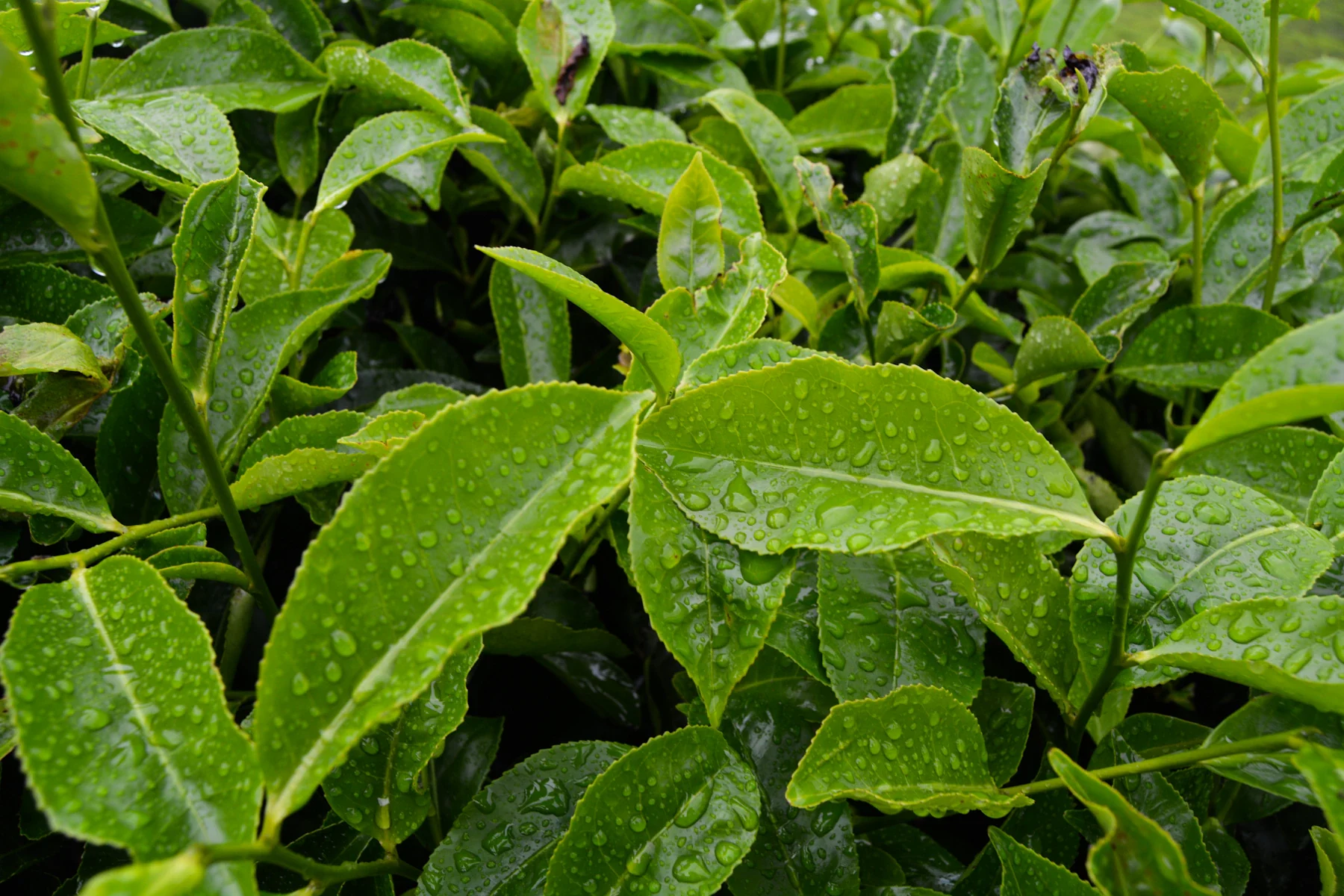
I found my favourite in a tea field in Japan.
The family has been making matcha for about a century. I couldn’t wait to share what I’d found.
THE ROOTS OF THE TEA
LONG BEFORE
THE LATTE.
Powdered tea reached Japan from China over eight centuries ago.
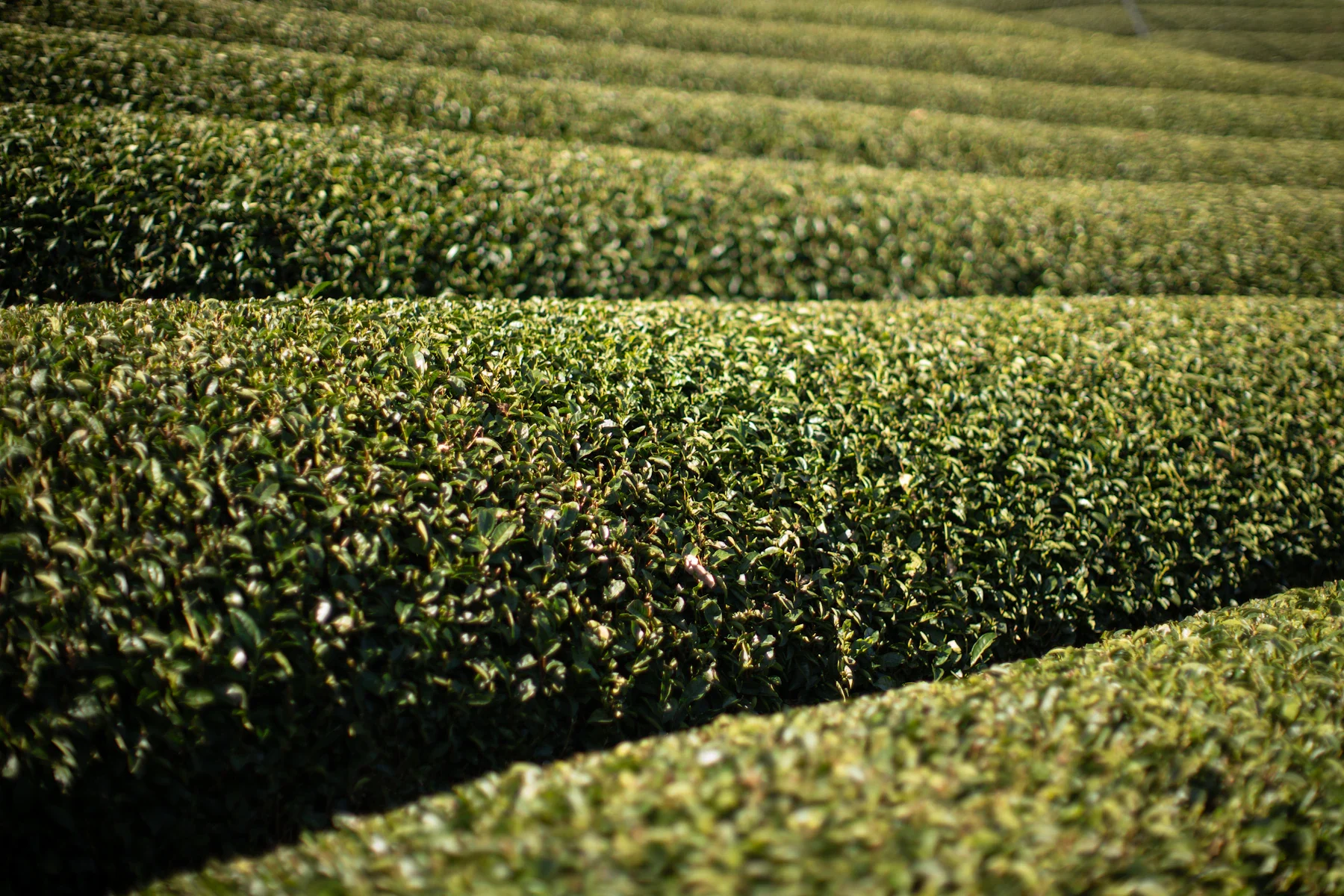
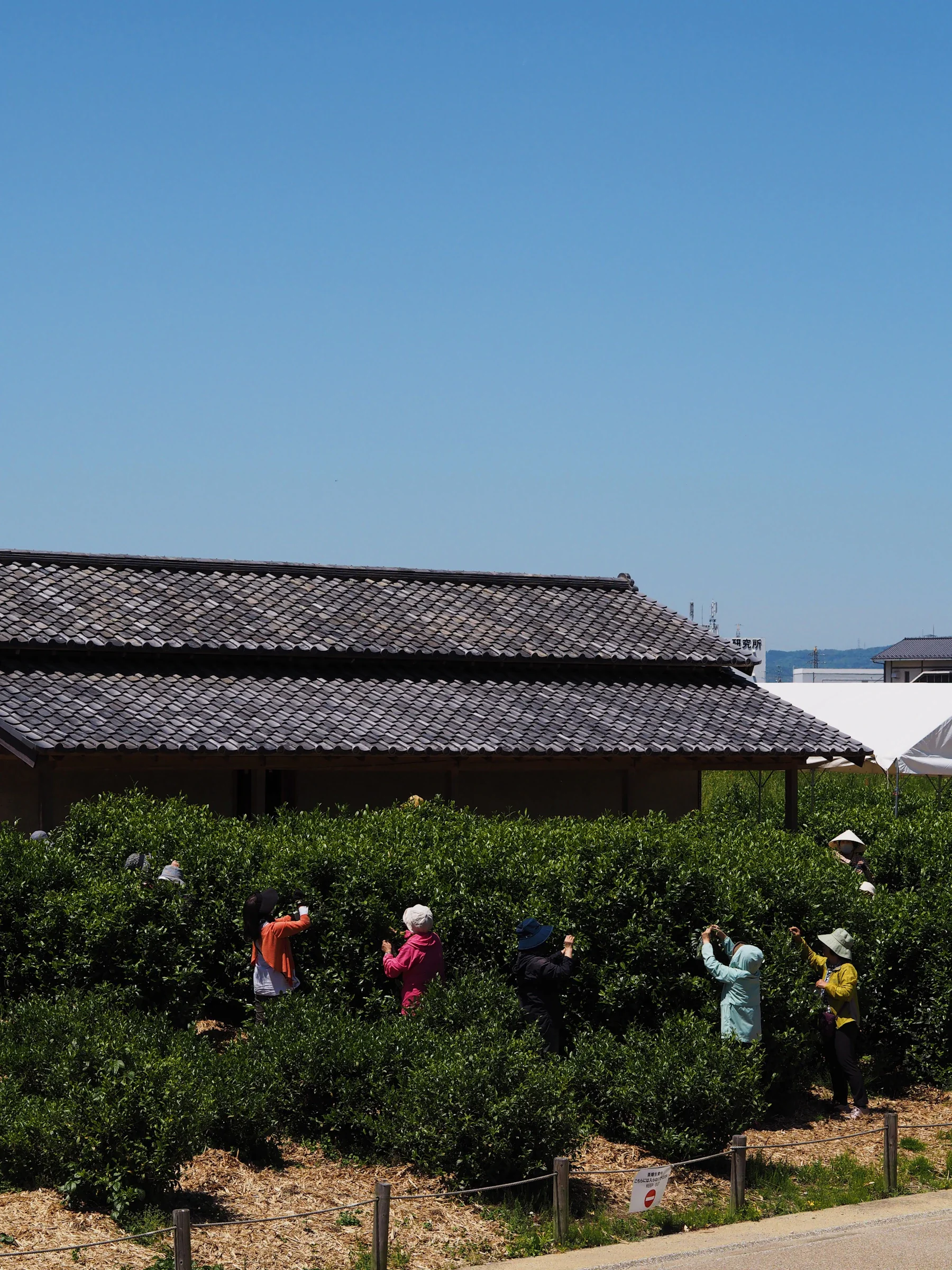
The care starts in the field, long before the milk and ice.
THE TEA TRADITION
碾茶THE LEAF BEHIND MATCHA
FROM LEAF
TO MATCHA.
Matcha starts with tencha: shaded tea leaves, steamed and dried without rolling.
Stems and veins are removed, then the leaves are milled into powder.
When that much goes into the tea, I want to taste it.
I HOPE YOU
LOVE IT.
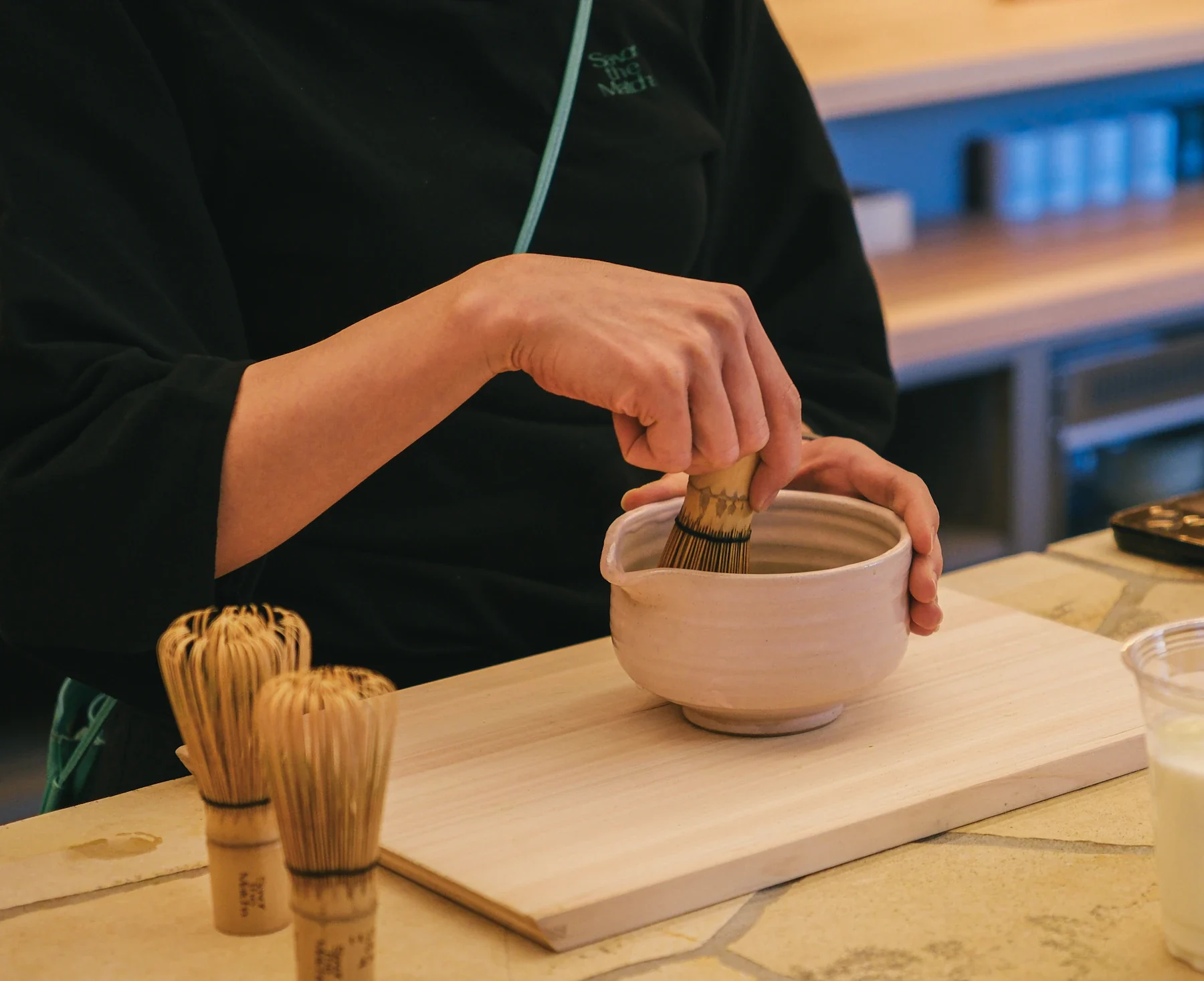
I wanted a cup I’d be proud to hand to a friend.
Matcha + monk fruit. Cold milk. Plenty of ice. “You have to try this.”
Honestly, if I could make your first one for you, I would.
Benjamin TurnerTHE NEXT CUP
IS YOURS.
For your kitchen bench. For your café.
Meet the blendMatcha for your café Say hello to Benjamin @benjturnerPhotography & tea history
Editorial tea-culture photographs by Rashid, Bret Lama, Chloé Lefleur and Huy Phan, via Unsplash. These show tea culture, rather than our suppliers or finished blend.
Tea history: Marukyu Koyamaen and Urasenke. Tea making: Yamamasa Koyamaen. The dates refer to tea history, rather than the age of Japanese Matcha.