
The tea comes through.
Matcha flavour, a little monk fruit, and no need for syrup.
About the sweetnessCOFFEE VS MATCHA
Compare the taste, caffeine and cost.
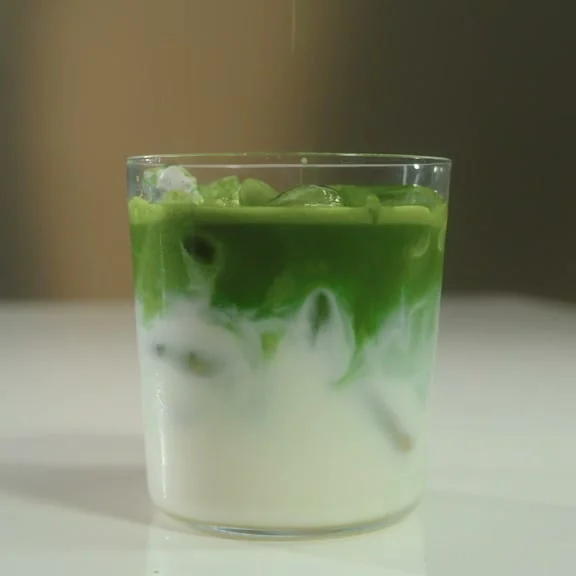
Matcha flavour, a little monk fruit, and no need for syrup.
About the sweetnessMatcha naturally contains both. The amount changes with the tea and the serving.
Compare the caffeineTotal sugars per named container. Our planned blend uses monk fruit.
SWEETENED ICED COFFEE
Regular · 500mL bottle
45gTotal sugars per bottle
Includes 23.5g added sugars; the total also includes sugars from milk.
Manufacturer’s nutrition panelSWEETENED ENERGY DRINK
Original · 250mL can
27gTotal sugars per can
This figure is total sugars, not an added-sugar breakdown.
Manufacturer’s serving informationOUR PLANNED FIRST BLEND
The finished blend
Monk fruit.Our chosen sweetener for the first blend.
Full ingredients, nutrition and serving size come with the first drop.
See the blendCompared per named container, not equal volumes. Total sugars differ from added sugars. Unsweetened and sugar-free alternatives exist. Checked 16 October 2026. Sources.
| Coffee | Matcha powder | |
|---|---|---|
| At 3pm | The usual coffee | The cold, creamy green one |
| The caffeine bit | Caffeine. Maybe the crash too. | Caffeine plus naturally occurring L-theanine, with amounts changing by tea and grams of powder. [4] |
| The taste | Coffee, obviously | Creamy with milk. Still tastes like matcha. |
| Want it sweet? | Sugar or syrup on top | Monk fruit is already in our blend |
| Getting the next one | Order. Wait. Collect. Again. | Open the fridge. Add milk and ice. |
Caffeine varies with the tea and serving size.
At 2g, the study-based matcha illustration is 48–88mg, alongside the approximately 80mg espresso reference. These values overlap.
Illustration from five Japanese tea samples, not our product. Coffee uses EFSA references. Sources & method.
The ranges overlap. Matcha isn’t always lower in caffeine, and your response may differ.
Enter your coffee and pure-matcha costs. Our blend’s price and serving size aren’t final yet.
Too sweet, too grassy, or buried in milk. I started Japanese Matcha because I wanted a latte that tasted like matcha.
Meet BenjaminThese sources cover tea generally. Our blend’s measured serving details come before sale.
Approximate beverage references: 80mg for a 60mL espresso and 90mg for 200mL filter coffee. These are reference servings, not measurements of an Australian café’s recipe.
Five Japanese-origin sample means: 2.40%, 3.69%, 4.41%, 4.30% and 4.34% caffeine by weight. The illustration uses 24–44.1mg/g × grams of powder. These samples are not Japanese Matcha products.
Preparation reference only. No supplier partnership or endorsement is implied.
The review found small-to-moderate differences favouring L-theanine plus caffeine for some attention and mood measures in the first two hours. Results varied by outcome; this is not a test of Japanese Matcha or a guarantee for an individual cup.
The photograph illustrates a serving style, rather than our finished blend.
 抹茶案内 / MATCHA CONCIERGE